

 রাজশাহীর আম

Introduction
From ancient times, Rajshahi has been more than just an important region of Northern Bengal; it was a powerful center in the history of ancient Bengal. Situated on the banks of the Padma River, this historic settlement has witnessed numerous rises and falls. What many don’t realize is that a specific area of this region was the heart of Varendra, which played a crucial role as one of the capitals of Bengal.
The history of Rajshahi is not just limited to bravery and royalty; it has deep historical roots in economic powerhouses like the Silk Industry and the modern-day Mango World. Let’s delve into the historical importance and the fascinating past of this ancient settlement.
1. Naming and Historical Identity of Rajshahi
While there are various theories regarding the origin of the name Rajshahi, its historical identity dates back to antiquity.
1.1. The History of the Name “Rajshahi”: Where Did It Come From?
According to historians, the name “Rajshahi” is relatively modern. Many believe the region was named after the ‘Raj’ (Estate) of individuals like Raja Udaynarayan or Rani Bhabani. However, the oldest and most significant identity of this region was known as ‘Varendra’.

1.2. The Varendra Region: The Center of Ancient Bengal
Rajshahi is often referred to as the heart of the Varendra region. Varendra was one of the three main regions of ancient Bengal (Banga, Rarh, and Varendra). During the reigns of the Pala and Sena dynasties, the Varendra region was the center of power. Consequently, the importance of Rajshahi extended beyond its locality to cover the entirety of Bengal.
2. Rajshahi’s Rule and Architecture During the Pala and Sena Eras
Major empires flourished in the Rajshahi region for a long period in ancient Bengal.
2.1. Pundranagar and Paharpur: The Core of the Varendra Region
The ancient Pundravardhana kingdom was centered around the Rajshahi region. The rule of the Pala dynasty began here in the 8th century, lasting for nearly 400 years. The greatest relic of the Pala period is the Somapura Mahavihara at Paharpur (though currently in Joypurhat, it was part of the greater Varendra region). This proves the significant role of this area in the architecture and education of the Ancient Bengal Capital or its vicinity.
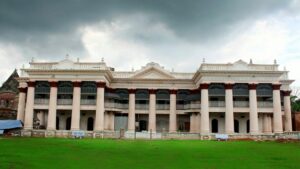
2.2. Puthia Palace: The Zamindari History of Rajshahi
During the Mughal era and subsequently under British rule, influential Zamindari (landlord) systems, such as the Puthia Palace, were established. These palaces were the central hubs for social, cultural, and economic activities. These traditional Rajshahi architectures still carry the splendor of that time.
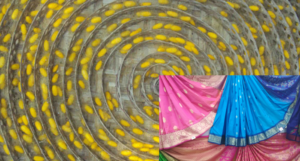
3. From Silk Industry to Modern Educational Hub
Through history, Rajshahi has been known by various identities.
3.1. Silk City: The Foundation of the Economy

Since the Mughal period, the Rajshahi Silk Industry has been renowned globally. The British recognized the importance of this industry and further expanded it. Even today, Rajshahi maintains its reputation as the Silk City.
3.2. Education City: The Modern Identity of Rajshahi
In the 20th century, Rajshahi emerged as a vital center for education and culture. The establishment of Rajshahi University and other educational institutions has given it the identity of an Education City, encouraging new generations to learn about its historical significance.
4. The Historical Link to Mangoes
The history and heritage of Rajshahi are closely tied to the fertility of its soil.
This fertile Varendra land is now the birthplace of some of the World’s Best Mangoes. The Himsagar or Langra Mangoes of Rajshahi are not just fruits; they are the harvest of centuries of agricultural heritage. Historians believe that landlords and kings themselves valued the quality of the fruits from this region.
Today, from that same traditional soil, we bring you the finest Rajshahi Mangoes. If you want to savor the taste of the History of Ancient Bengal and its tradition, you should order Organic Mangoes directly from Rajshahiram.com.bd.
Conclusion
The History of Rajshahi is not just dry facts; it is a rich narrative of architecture, agriculture, industry, and culture. This crucial part of Ancient Bengal has stepped into the modern age while maintaining its past glory. With its heritage of silk, education, and world-class mangoes, Rajshahi will always remain a shining jewel in the crown of Northern Bengal.
Frequently Asked Questions (FAQs)
Q: Was Rajshahi truly the ancient capital of Bengal? A: While not directly, the greater Rajshahi region was the center of the Varendra region, which served as a major power base for the Pala and Sena dynasties in ancient Bengal.
Q: What is the most famous historical place in Rajshahi? A: Puthia Palace (Puthia Rajbari) is one of the most famous historical places in Rajshahi, a magnificent example of Zamindari-era architecture.
Q: Why is the Varendra Research Museum important? A: The Varendra Museum is one of the oldest museums in Bangladesh, dedicated to preserving the ancient history, archaeology, and culture of the Varendra region.